

It is a good source of fiber, folate, iron, and vitamins A, C, E, and K. These nutrients play a crucial role in promoting detoxification and supporting overall health. Asparagus is particularly beneficial for those with high blood pressure due to its diuretic properties, which can help flush out excess fluids and toxins from the body.
Tips for Healthy Eating
When combined with counseling, this approach is proven highly Halfway house effective. It’s important to eat what you can, but don’t force it and make yourself sick. Other fish and shellfish such as mackerel, herring, oysters, sardines, and anchovies are excellent choices.
How Long to Detox From Benzodiazepines: Factors That Affect Detox Time
You may feel fatigued or toxified, struggle with food cravings, or not feel like eating much at all. And if you established unhealthy eating habits while drinking alcohol, they may suddenly be very obvious. Many people consume fried and greasy foods while drinking alcohol, which is why these foods tend to be craved when people stop drinking. However, protein is important as it is a major nutrient and is the building block of your muscles. Proteinslikemeats, poultry, fish, beans, peas, eggs, nuts and seeds arerichin B vitamins, vitamin E, iron, zinc and magnesium, all of which arecommon alcohol-related deficiencies. Making sure to eat protein during your detox and recovery can help to replete your stores of these important nutrients.

Vitamins and Minerals
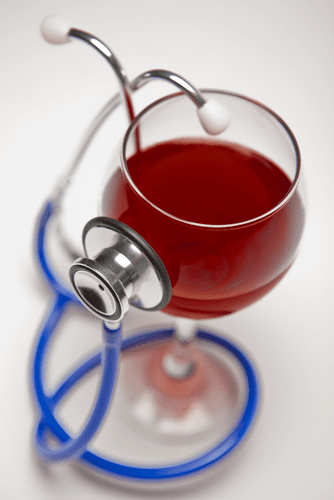
A struggle with alcohol use impacts many aspects of a person’s life, including diet and nutrition. Drinking too much can lead to severe nutrient depletion, creating symptoms that can make alcohol detox and recovery more difficult and permanently affect your health. Eating a healthy diet and supplementing with vitamins as needed can help correct some of the damage from drinking.
- Alcohol depletes magnesium levels, a mineral crucial for hundreds of bodily processes, including muscle and nerve function, blood sugar control, and blood pressure regulation.
- Identifying and avoiding foods that trigger cravings for alcohol is essential.
- Some multivitamins may also include amino acids like L-glutamine and taurine, which can assist with mood regulation and withdrawal symptoms.
- As always, if you are unsure about whether or not you will have an allergy issue with a certain food, consult with your doctor.
- Consuming too much can overstimulate the nervous system, causing anxiety, headaches and irritability.
- The liver is responsible for filtering toxins, balancing nutrients, and supporting overall health.
If you’re struggling to stick with new habits during the recovery process, there are new ways to get the help you need. Ria Health’s online recovery coaching supports you in improving self-care, and sticking with sobriety long-term. You’ll also get access to anti-craving medications, expert medical advice, handy digital tools, and more—all through an app on your phone.

Lean protein may be a better best diet for recovering alcoholic choice than sources high in fat—so try fish, poultry, low-fat dairy products, or lean cuts of beef. Our family program offers education, resources and support to loved ones of Ria Health members. Ria Health offers several FDA-approved medications for alcohol use disorder.
Food can become a coping mechanism, leading to unhealthy eating patterns. Addressing underlying emotional issues and developing healthy coping strategies is essential for successful long-term recovery. Therapy and support groups can play a significant role in this process. Frequent, smaller meals throughout the day can help maintain stable blood sugar levels and prevent cravings.
What Is Alcohol Detox?
By integrating nutrient-dense foods and avoiding potential dietary pitfalls, individuals can strengthen their bodies and minds, paving the way for a healthier, sober life. Remaining informed about dietary choices, in tandem with professional guidance, can amplify the healing process, enabling recovering alcoholics to rebuild their health and well-being effectively. Excessive alcohol consumption can damage the liver, an organ essential for nutrient processing. Additionally, alcohol triggers inflammation in the gut, which prevents the body from absorbing necessary nutrients. Common deficiencies in individuals recovering from alcohol addiction also include vitamins B and C, magnesium, and zinc, which are all critical for the body’s proper functioning. It’s common for a person to crave sweet foods during a detox because sugar mimics the effects of alcohol on the brain.
- Remember to choose organic options when possible and aim for a variety of colors to maximize the nutritional benefits.
- Fish such as mackerel and salmon are rich in vitamin D, healthy fats, omega-3 fatty acids, and protein.
- To support nervous system function during this critical phase, it is essential to incorporate foods that aid in nerve health and overall cognitive function.
- Development of personalized nutritional plans is a foundational step in the recovery process.
- Discover how Medicare supports inpatient rehab, covering up to 90 days based on medical needs, progress, and post-rehab care options to ensure recovery success.
When someone stops drinking, their dopamine and serotonin levels are initially depleted, so it’s common for them to seek out other sources of comfort and pleasure to compensate. For many people in the withdrawal phase, this results in cravings for specific foods. Also, because of the way alcohol affects our brain chemistry, it’s common to experience mood swings in early sobriety. Salmon, which has already appeared on our list once, is also extremely high in omega-3s. Because excessive alcohol use can lead to protein deficiency, it’s great to add low-fat proteins into your recovery diet. Protein is essential for the brain and heart and serves as the building blocks for all the body’s muscles.
Lean meats and poultry are great sources for those who choose to eat meat, but for those who don’t or would prefer to limit intake, nuts, seeds and tofu can be excellent substitutes. Stimulant use (such as crack, cocaine, and methamphetamine) reduces appetite and leads to weight loss and poor nutrition. They may be dehydrated and have electrolyte imbalances during these episodes.
Why Does Alcohol Withdrawal Cause Food Cravings?
She focuses her interests on expanding education on substance use and the delivery of services to underserved populations. Bad sugars are processed and include common food additives like sucrose and high-fructose corn syrup. False sugars are artificial sweeteners such as aspartame, saccharin and sucralose are generally considered safe in moderation. Identify and evaluate conditions and deficiencies of concern as a result of substance abuse.
Include Plenty of Protein
These foods provide essential vitamins such as A, B, and C, as well as key minerals like calcium and potassium, aiding in hydration and delivering necessary nutrients for the body. Chronic heavy drinking can significantly deplete essential nutrients in the body, which can worsen anxiety and cravings during detox and subsequent sobriety. Vitamin deficiencies, including vitamins A, B, C, D, and E, as well as minerals like calcium, magnesium, iron, and zinc, are commonly observed in individuals with alcohol use disorders.